
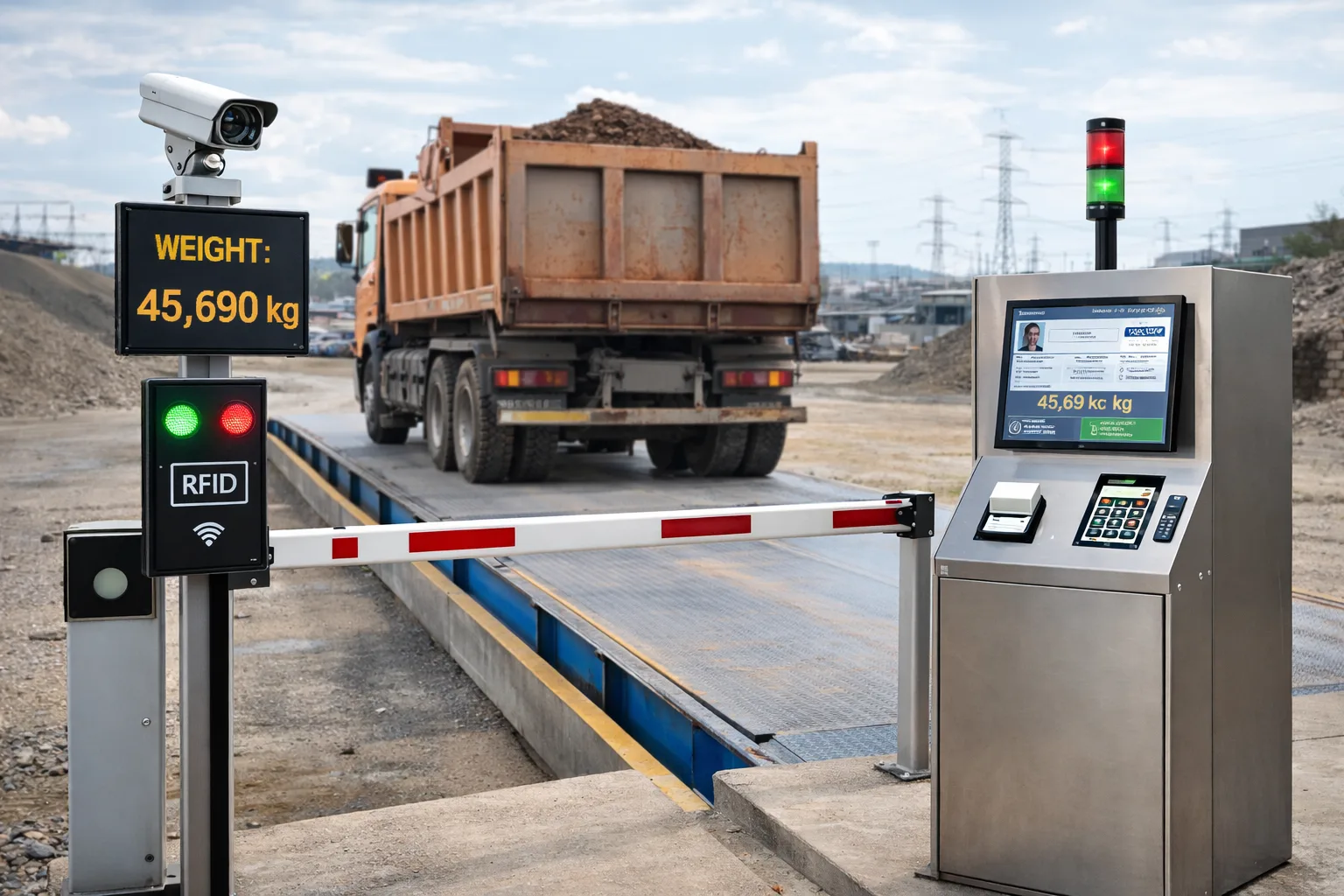
Unmanned Weighbridge System: The Future of Smart Weighing Operations
In today’s fast-moving industrial environment, speed, accuracy, and transparency are no longer optional. This is exactly where an Unmanned Weighbridge System becomes a game changer. Instead of relying on manual entries and operator-driven processes, modern factories, logistics hubs, and mining sites are shifting toward fully automated weighbridge operations that deliver real-time data, eliminate human error, and improve overall efficiency.
The Hidden Problems with Manual Weighing
At first glance, traditional weighbridge systems may seem functional. However, they come with several underlying issues that often go unnoticed until they start impacting business performance.
Manual data entry increases the chances of errors in vehicle numbers, weight readings, and material details. These inaccuracies can lead to discrepancies in inventory and billing. There is also a higher risk of manipulation and fraud, especially in high-value material handling environments. On top of that, manual operations slow down vehicle movement and require continuous manpower, increasing operational costs.
An Unmanned Weighbridge System addresses all these challenges by automating the entire process from vehicle identification to transaction recording.
What Exactly Is an Unmanned Weighbridge System
An Unmanned Weighbridge System is a fully automated solution that manages vehicle entry, positioning, weighing, and exit without requiring human intervention. It uses a combination of technologies such as RFID, ANPR cameras, sensors, and intelligent software to ensure seamless operations.
Vehicles are identified automatically through RFID tags or number plate recognition. The system then captures weight data directly from the weighbridge controller and records every transaction in real time. Entry and exit are controlled using boom barriers and traffic signals, ensuring a smooth and controlled flow of vehicles.
This creates a completely touch-free and highly reliable weighing process.
How It Works on the Ground
The working process is simple but highly efficient. When a vehicle approaches the weighbridge, sensors detect its presence and trigger the identification system. Once the vehicle is verified, the barrier opens and the vehicle moves into position.
Position sensors ensure that the truck is correctly aligned before weighing begins. The system then captures stable weight readings automatically and stores the data along with vehicle details and timestamps. Once the process is complete, the vehicle exits without any manual intervention.
This entire workflow reduces waiting time and improves throughput significantly.
Key Features That Drive Efficiency
What makes an Unmanned Weighbridge System truly powerful is the combination of hardware and intelligent software working together.
Automated vehicle identification ensures that every transaction is accurate and traceable. Real-time weight capture eliminates manual dependency and reduces delays. Integrated cameras and sensors add an extra layer of security and validation. Centralized dashboards provide complete visibility across multiple weighbridges and locations.
The system also supports ERP and MES integration, enabling seamless data flow across business operations. This ensures that weighbridge data is not isolated but becomes part of a larger digital ecosystem.
Benefits That Go Beyond Automation
The impact of implementing an Unmanned Weighbridge System is immediate and measurable.
Operations become faster as vehicle turnaround time is reduced. Accuracy improves because manual errors are eliminated. Security is enhanced through tamper-proof data logging and automated validation. Businesses also save significantly on manpower costs by reducing dependency on operators.
Another major advantage is transparency. Every transaction is recorded with complete details, making audits easier and more reliable. This level of traceability is especially important in industries like mining, logistics, and manufacturing where material movement needs to be tightly controlled.
Where These Systems Make the Biggest Difference
Unmanned weighbridge systems are widely used across industries that handle large volumes of material and vehicle movement.
Cement and steel plants
Mining and quarry operations
Logistics parks and warehouses
Ports and shipping terminals
Manufacturing facilities
In high-traffic environments, these systems ensure uninterrupted operations while maintaining accuracy and control.
Choosing the Right System for Your Business
Not all facilities have the same requirements. Some may benefit from RFID based identification, while others may require advanced ANPR or even a combination of both for higher security.
Modern systems are designed to be flexible and retrofit-friendly. They can integrate with existing weighbridges without replacing core hardware, making adoption faster and more cost-effective.
The key is to choose a solution that aligns with your operational scale, security needs, and future growth plans.
Final Thoughts
An Unmanned Weighbridge System is not just an upgrade; it is a transformation. It replaces outdated, error-prone processes with intelligent automation that improves speed, accuracy, and transparency across operations.
For businesses looking to modernize their operations and move toward Industry 4.0, investing in weighbridge automation is a step in the right direction. It simplifies processes, strengthens control, and builds a more efficient and reliable supply chain.