
Sensor-Based Parking System: Smarter Parking for Modern Spaces
Finding a parking spot in busy areas can often be frustrating and time-consuming. A Sensor-Based Parking System offers a smart solution by using advanced sensing technology to detect vehicle presence and guide drivers efficiently. By combining automation with real-time data, this system improves parking management while enhancing user experience.
How Sensor Technology Transforms Parking
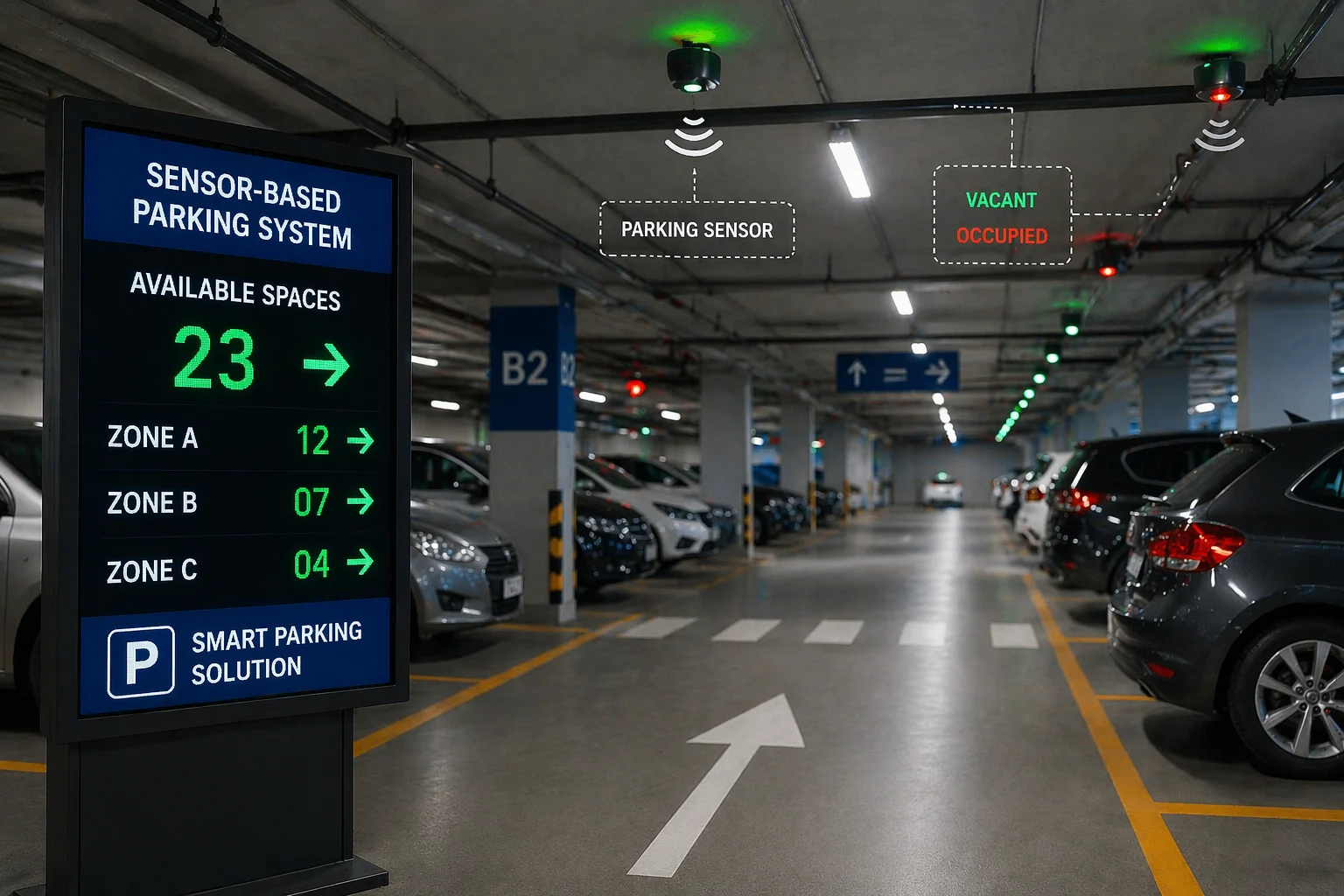
A sensor-based parking system uses sensors installed in each parking slot to detect whether a space is occupied or vacant. These sensors communicate with a central system, updating availability instantly.
This real-time data is then displayed on digital boards or mobile apps, helping drivers locate empty spaces quickly. According to solutions highlighted by Robato Systems, such systems significantly reduce the time spent searching for parking.
Real-Time Visibility That Saves Time
One of the key benefits of a sensor-based parking system is real-time visibility. Drivers no longer need to circle around looking for a spot.
The system provides accurate information about available spaces, guiding vehicles directly to the right location. This not only saves time but also reduces frustration, especially in crowded parking areas like malls and office complexes.
Intelligent Guidance for Smooth Movement
Smart parking systems use digital signage and indicators to direct drivers to vacant spots. LED indicators above parking bays or at entry points show availability clearly.
This guidance reduces unnecessary vehicle movement within parking facilities. By minimizing congestion, the system ensures a smoother and more organized parking experience.
Reducing Congestion and Emissions
Searching for parking contributes to traffic congestion and increased fuel consumption. A sensor-based parking system helps address this issue by reducing the time vehicles spend on the road or inside parking areas.
With faster parking, fuel usage decreases, leading to lower emissions. This makes the system an environmentally friendly solution for modern cities.
Automation That Improves Efficiency
Automation is at the core of sensor-based parking systems. From detecting occupancy to updating availability, everything happens automatically.
This reduces the need for manual monitoring and minimizes errors. Parking operators can manage large facilities with greater ease and accuracy, improving overall efficiency.
Data-Driven Insights for Better Management
A sensor-based parking system collects valuable data about parking usage. This includes peak hours, occupancy rates, and user behavior.
Such insights help operators make informed decisions about pricing, capacity planning, and infrastructure improvements. Over time, this leads to better resource utilization and improved customer satisfaction.
Seamless Integration with Smart Solutions
Modern sensor-based parking systems can integrate with other technologies such as RFID access, mobile applications, and cloud platforms.
This creates a connected ecosystem where parking management becomes more efficient and user-friendly. Integration also supports smart city initiatives by improving overall urban mobility.
Applications Across Different Spaces
Sensor-based parking systems are widely used in various environments. From shopping malls and airports to hospitals and residential complexes, they offer flexible solutions for different needs.
Each installation can be customized based on the size and requirements of the facility, ensuring optimal performance in every scenario.
The Future of Parking is Intelligent
As urban areas continue to grow, the demand for efficient parking solutions will increase. Sensor-based parking systems provide a scalable and future-ready approach to meet this demand.
With advancements in technology, these systems will continue to evolve, offering even more accurate data and enhanced user experiences.
Final Thoughts
A Sensor-Based Parking System is more than just a convenience tool. It is a smart solution that improves efficiency, reduces congestion, and enhances the overall parking experience.
By using real-time data and automation, it helps both drivers and operators manage parking more effectively. For modern cities and businesses, investing in such systems is a step towards smarter infrastructure.