Integrated Traffic Management System: The Future of Smart Mobility
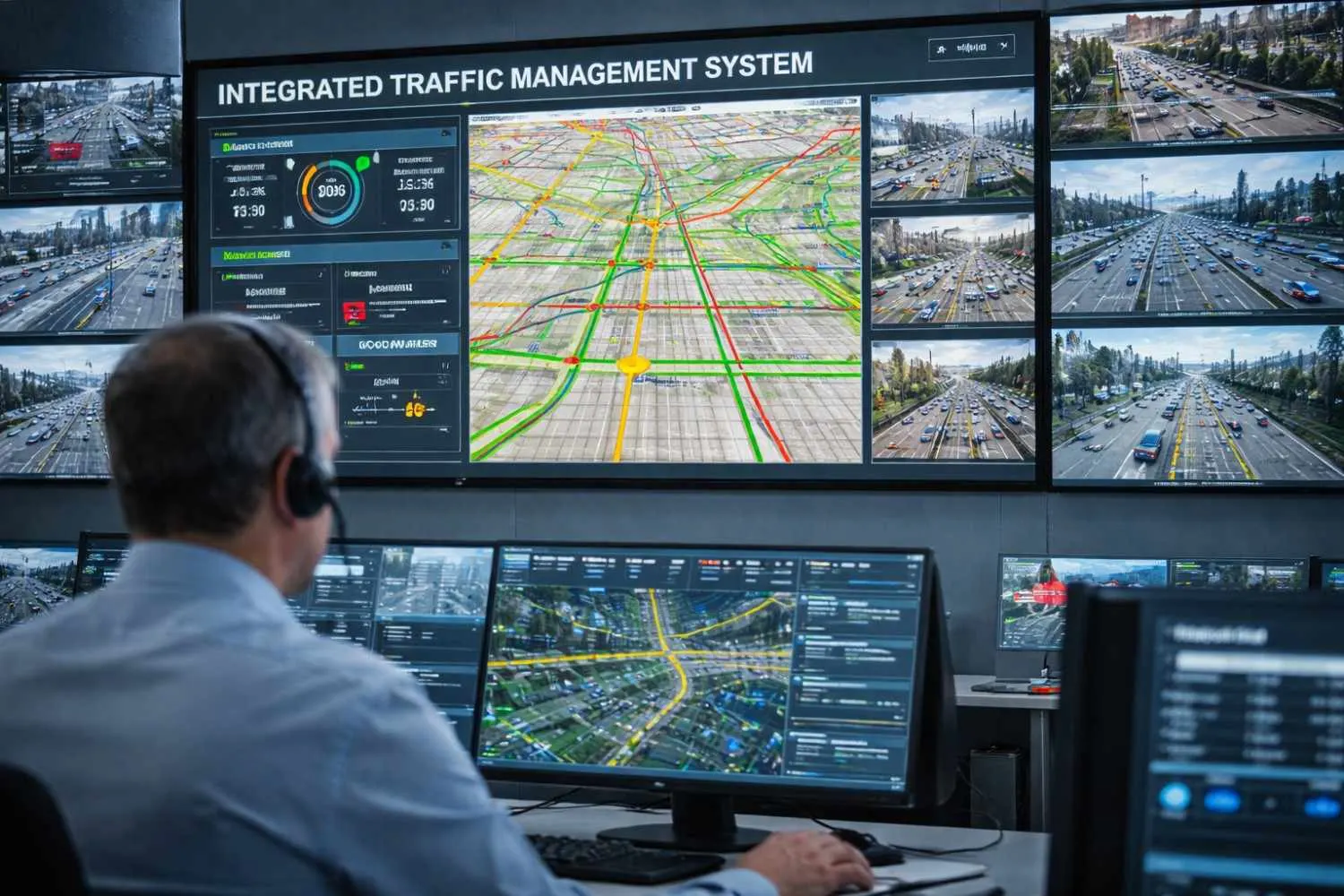
In rapidly growing urban environments, managing traffic efficiently has become a complex challenge. An Integrated Traffic Management System offers a smart and unified solution by combining multiple technologies into one centralized platform. It enables real-time monitoring, automated control, and data driven decision making, helping cities reduce congestion and improve overall mobility.
What Makes It “Integrated”?
Unlike traditional traffic systems that operate in isolation, an integrated system connects various components such as traffic signals, surveillance cameras, sensors, and control software.
Solutions offered by platforms like Robato Systems focus on creating connected ecosystems where different technologies work together seamlessly. These systems bring traffic control, parking management, and monitoring tools under one unified interface.
This integration ensures better coordination and faster response to real-time traffic conditions.
Real-Time Monitoring for Instant Insights
An Integrated Traffic Management System collects live data from multiple sources across the city. Sensors and cameras continuously track vehicle flow, speed, and congestion levels.
With this real-time visibility, traffic authorities can quickly identify problem areas and take immediate action. Whether it is rerouting traffic or adjusting signal timings, decisions are based on accurate, up to date information.
This reduces delays and improves the overall commuting experience.
Intelligent Signal Control That Adapts
One of the key features of an integrated system is adaptive signal control. Instead of fixed signal timings, traffic lights respond dynamically to current road conditions.
For example, if one lane has higher traffic volume, the system automatically adjusts signal duration to ease congestion. This not only improves traffic flow but also reduces unnecessary waiting time at intersections.
Such intelligent control plays a major role in building efficient urban infrastructure.
Seamless Coordination Across Systems
An Integrated Traffic Management System connects with other smart city solutions such as parking management and access control. This creates a unified ecosystem where data flows freely between systems.
For instance, smart parking solutions help reduce unnecessary vehicle movement by guiding drivers directly to available spaces. This directly supports smoother traffic flow and reduces congestion.
This level of coordination ensures that traffic management is not limited to roads alone but extends to the entire mobility network.
Automation That Reduces Human Effort
Automation is at the core of integrated systems. Tasks like vehicle detection, traffic monitoring, and data analysis are handled automatically.
This reduces reliance on manual operations and minimizes human error. Similar automation technologies used in industrial solutions show how real-time data and system control can improve efficiency and accuracy across operations.
As a result, authorities can focus more on planning and strategy rather than routine monitoring.
Data-Driven Planning for Better Cities
Integrated systems generate valuable data that can be used for long term planning. Traffic patterns, peak hours, and congestion hotspots can be analyzed to improve infrastructure.
This data helps city planners make informed decisions about road expansions, signal placement, and traffic policies. Instead of reactive measures, cities can adopt a proactive approach to traffic management.
Enhancing Safety and Sustainability
Safety is a critical aspect of traffic management. Integrated systems help monitor violations, manage speed, and ensure proper signal coordination.
At the same time, smoother traffic flow reduces fuel consumption and emissions. By minimizing idle time and congestion, these systems contribute to a cleaner and more sustainable environment.
This aligns with modern smart city goals focused on efficiency and environmental responsibility.
The Road Ahead for Smart Traffic Systems
As urban populations continue to grow, the need for intelligent traffic solutions will only increase. Integrated Traffic Management Systems provide a scalable and future ready approach to handle this demand.
By combining real-time monitoring, automation, and data analytics, these systems are transforming how cities manage traffic. They not only improve daily commuting but also support long term urban development.
Final Thoughts
An Integrated Traffic Management System is more than just a traffic control solution. It is a comprehensive platform that connects technology, data, and infrastructure into one efficient system.
For cities looking to reduce congestion, improve safety, and enhance mobility, adopting an integrated approach is the way forward. It brings clarity, control, and convenience to modern transportation systems.