
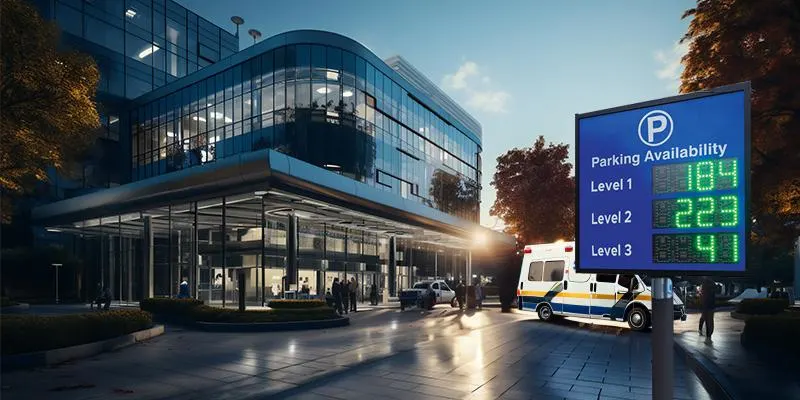
Hospital Parking: Smarter Systems for Better Patient Experience
In a healthcare environment, every second matters. From emergency arrivals to scheduled appointments, smooth access to facilities plays a critical role in overall patient care. This is where Hospital Parking becomes far more than just a utility. It transforms into an essential operational system that directly impacts patient satisfaction, staff efficiency, and hospital workflow. Modern hospitals are now turning to intelligent parking solutions to remove friction, reduce delays, and create a more organized experience from the moment a vehicle enters the premises.
Why Traditional Parking Falls Short
Most hospitals struggle with common parking issues such as overcrowding, underutilized spaces, and confusion during peak hours. These problems are not just inconvenient. They can delay patient access and create stress during already critical situations.
Hospitals also deal with complex parking demands. Staff work in shifts, emergency vehicles need priority access, and visitors arrive unpredictably. Without a structured system, managing these variables becomes inefficient and chaotic.
Smart parking solutions address these issues by introducing automation, real-time monitoring, and structured zoning that improves both flow and accessibility.
Real-Time Visibility Changes Everything
One of the biggest advancements in Hospital Parking is real-time visibility. Smart systems use sensors and connected platforms to track available spaces and guide drivers instantly.
Instead of circling parking areas, patients and visitors are directed to available spots through LED signage and digital displays. This reduces search time, minimizes congestion, and improves overall traffic flow inside hospital premises.
For hospitals, this means smoother operations. For patients, it means less stress during critical moments.
Smarter Allocation for Patients, Staff, and Visitors
Hospitals are unique because they must cater to different types of users simultaneously. Smart Hospital Parking systems divide parking into zones based on needs.
Patients with appointments can pre-book spaces. Staff parking can be managed based on shifts and access credentials. Visitors can be guided dynamically based on availability and time of day.
This structured allocation ensures that no category of user is left struggling to find a spot. It also maximizes space utilization across the facility.
Emergency Access Without Delays
In healthcare, delays can have serious consequences. Modern Hospital Parking systems are designed to prioritize emergency vehicles automatically.
Using technologies like RFID, license plate recognition, and automated gates, emergency vehicles can be given immediate access without manual intervention.
This ensures that ambulances and critical care vehicles move seamlessly through entry and exit points, saving valuable time when it matters most.
Enhancing Safety and Security
Safety is a major concern in hospital environments, especially in parking areas that operate 24/7. Smart Hospital Parking systems integrate advanced security features such as CCTV monitoring, access control, and real-time tracking.
Well-lit areas, emergency call systems, and controlled entry points ensure that patients and visitors feel safe at all times. These systems also help hospital administrators monitor activity and respond quickly to any incidents.
Reducing Congestion and Environmental Impact
Inefficient parking leads to unnecessary vehicle movement, which increases congestion and fuel consumption. Smart parking systems reduce this by guiding vehicles directly to available spots.
This not only improves traffic flow but also contributes to lower emissions and a more sustainable hospital environment. Efficient parking management can significantly cut down the time vehicles spend idling or searching for space.
Data-Driven Decision Making
Modern Hospital Parking is not just about managing vehicles. It is also about collecting and analyzing data.
Smart systems provide insights into peak hours, occupancy trends, and user behavior. Hospitals can use this data to optimize layouts, plan expansions, and improve overall efficiency.
This turns parking from a passive facility into an active contributor to operational strategy.
Seamless Integration with Hospital Systems
One of the most powerful features of advanced Hospital Parking solutions is their ability to integrate with hospital management systems.
Parking access can be linked with patient appointments, staff schedules, and billing systems. This creates a seamless experience where parking becomes part of the overall healthcare journey rather than a separate process.
The Bigger Picture: Patient Experience
At its core, Hospital Parking is about improving the patient experience. A well-managed parking system reduces stress, saves time, and ensures that patients can focus on what truly matters, receiving care.
For hospitals, it enhances operational efficiency, improves space utilization, and strengthens their reputation as modern, patient-centric institutions.
Conclusion
Hospital environments demand precision, efficiency, and reliability in every aspect of their operations. Hospital Parking is no exception.
By adopting smart parking solutions, hospitals can eliminate inefficiencies, improve accessibility, and create a smoother experience for patients, staff, and visitors alike. In a setting where every moment counts, investing in intelligent parking systems is not just a technological upgrade. It is a step toward better healthcare delivery.